Guiding a great terroir means accepting that it will never belong to us.
The consultant’s role is not to rewrite a story, but to bring an outside perspective, to feed the thinking, and to support the choices that will allow an estate to continue its trajectory while remaining true to its identity.
At the heart of the Pessac-Léognan appellation, Domaine de Chevalier is one of those properties whose signature has been built over time. A Grand Cru Classé de Graves in both red and white, the estate pursues a single ambition: to reveal the personality of its terroir with precision, vintage after vintage.
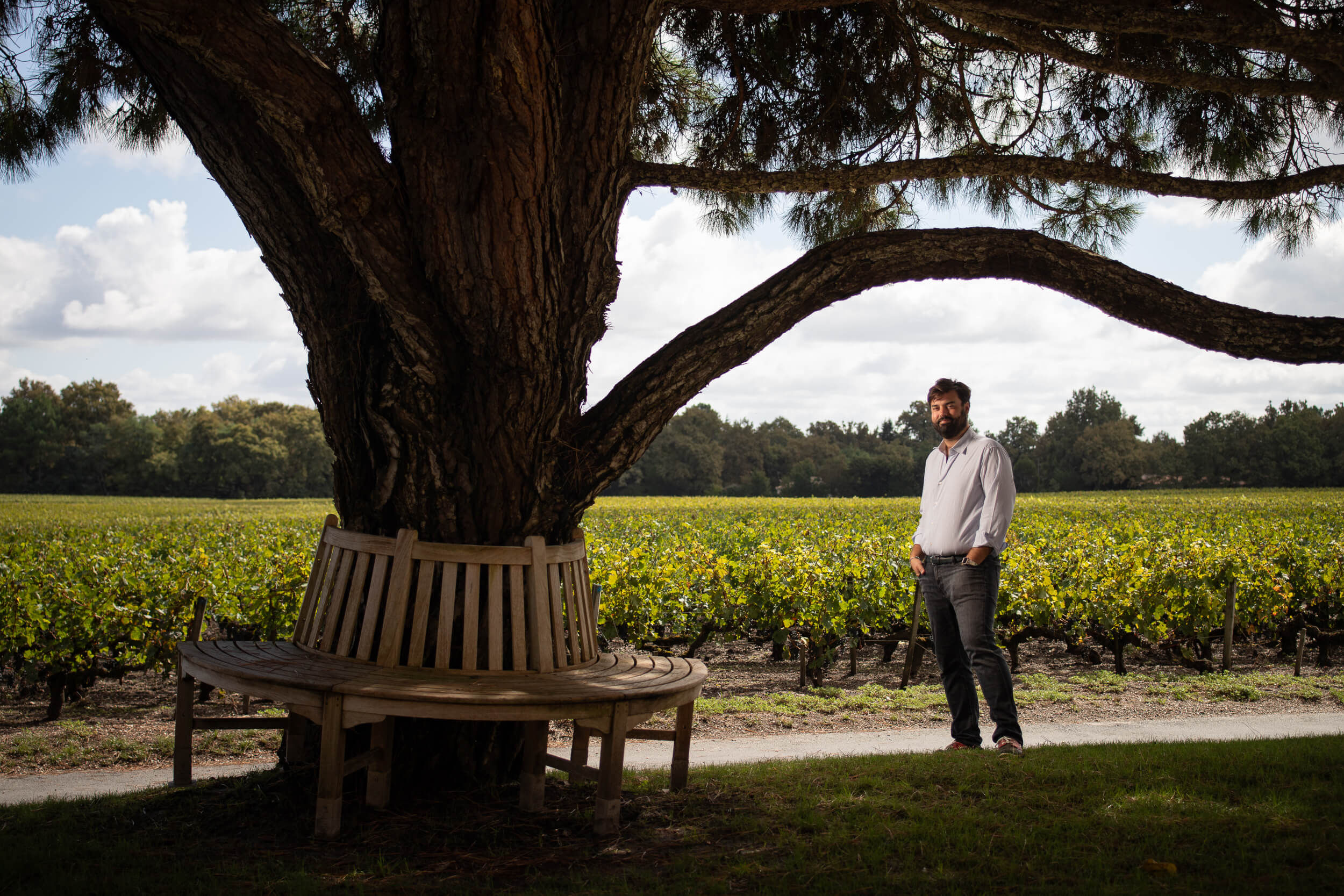
Today, Hugo Bernard oversees production at the family estate, which represents close to 150 hectares of vines in production in Pessac-Léognan, within a group of properties totalling close to 200 hectares. A responsibility that goes beyond simply running a vineyard: it means preserving a vision and guiding the evolution of practices without ever losing the wines’ identity.
For over twenty years, the Vignerons Consultants team has supported this trajectory. Simon Blanchard and Loïc Biais are now Domaine de Chevalier’s lead consultants. Alongside the estate’s teams, they bring an outside perspective, feed technical discussions, and support the decisions that shape every vintage, from vine to winery.
Understanding before proposing
Every estate has its own history, its own balances, and its own singular way of expressing its terroir.
At Domaine de Chevalier, advising begins with listening.
“The teams expect the advisor to immerse himself in what we know how to do and in our DNA,” explains Hugo Bernard.
This approach sums up the relationship built with Vignerons Consultants: understand before proposing, observe before intervening.
The goal is not to transform an estate but to support it in its own evolution, respecting what makes it unique.
Evolving practices in service of the terroir
Domaine de Chevalier has never stopped evolving while preserving its identity.
The renovation of the winery and the installation of smaller-volume tanks illustrate this ongoing pursuit of precision. They allow for finer monitoring of each batch and greater attention to every plot.
“The idea is to give every plot its chance,” Hugo Bernard emphasises.
A philosophy that echoes an essential conviction: great wines are born, first and foremost, from an intimate understanding of the fruit and the terroir.
Guiding each vintage with precision
Between the Landes forest and the influence of the Atlantic Ocean, Domaine de Chevalier’s vineyard evolves in an environment that is as exceptional as it is demanding.
Frost, mildew pressure, droughts and periods of intense heat call for ever finer observation of the vines and constant adaptation of practices.
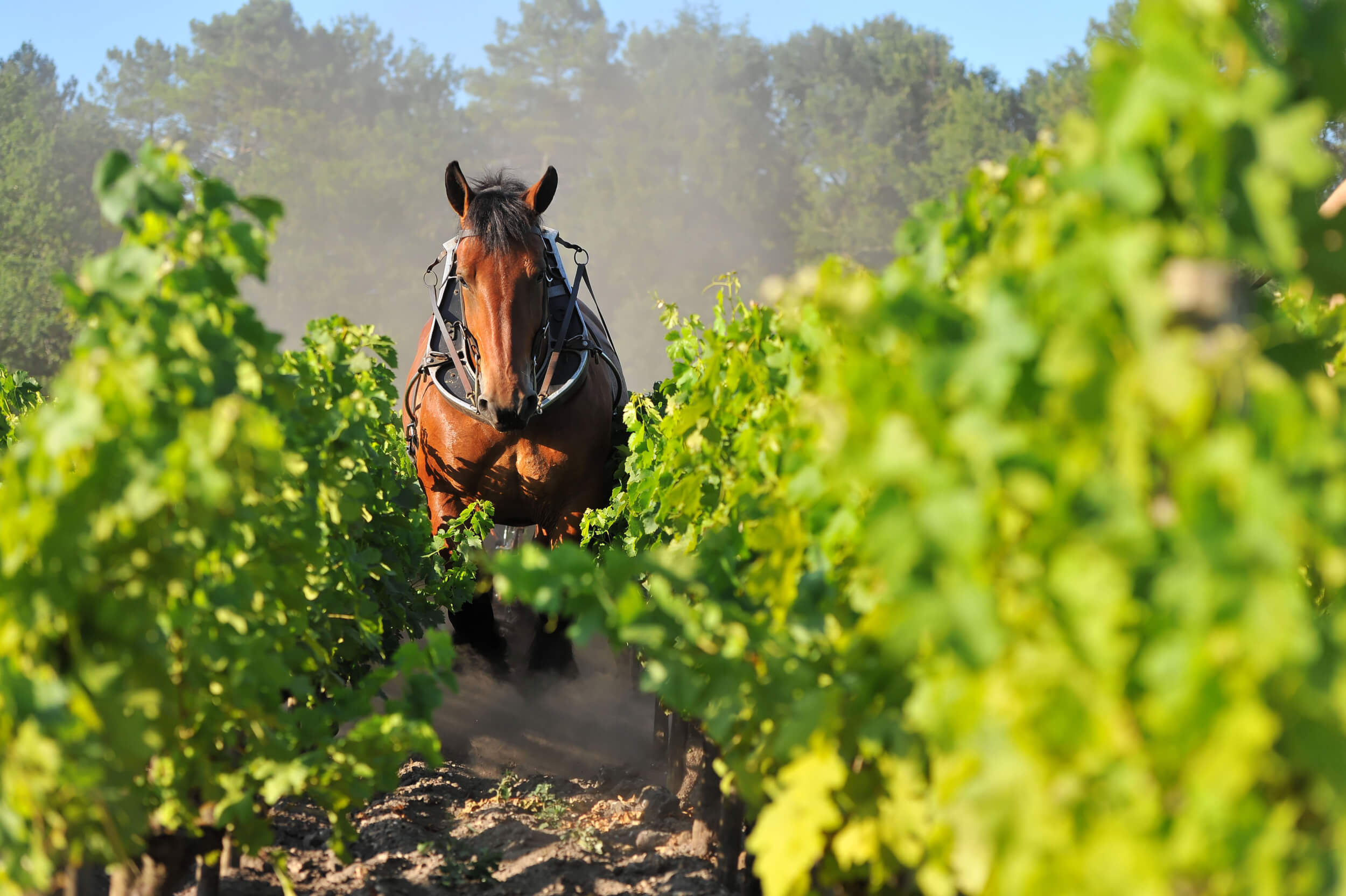
Organic viticulture, water management, anti-frost towers, or evolving cultivation practices: every decision is made in pursuit of balance.
As Hugo Bernard sums it up:
“Give me great fruit, and I’ll make you a great wine.”
This philosophy also guides Vignerons Consultants’ approach: every vintage is different and calls for its own reading. It is not about applying a method, but about making the right decisions at the moments when they matter most.
A relationship built on trust
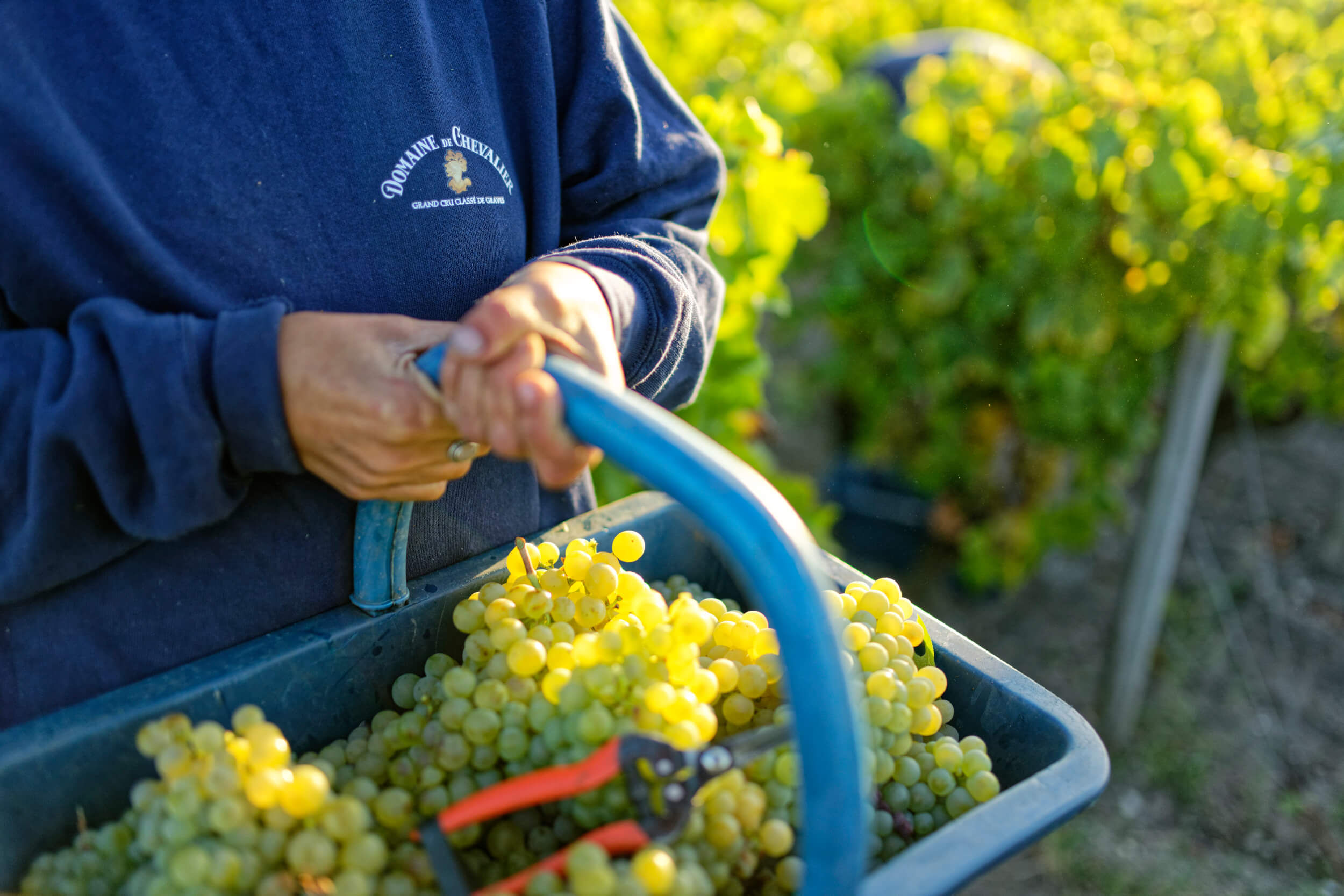
During harvest, Simon Blanchard and Loïc Biais regularly work alongside the estate’s teams, supporting the monitoring of winemaking and technical choices.
Throughout the year, discussions continue to support thinking related to both the vineyard and the winery.
This closeness is essential at a property where close to 80 staff members take part in the estate’s life each year. Advising thus takes the form of an ongoing dialogue, in service of a shared vision.
“Today, we are moving toward greater respect and less intervention. It’s also thanks to discussions with the Vignerons Consultants technical team that we are able to make this kind of decision,” explains Hugo Bernard.
Preserving the identity of a great wine while continuing to evolve: it is within this balance that Vignerons Consultants’ guidance takes place.
As Hugo Bernard sums it up: “The greatest vintage of my life is the one I’ll make tomorrow.”